Testimonials of other writers and journalists
Studies show that stigma is reduced when people can put a face and name to people with addiction.
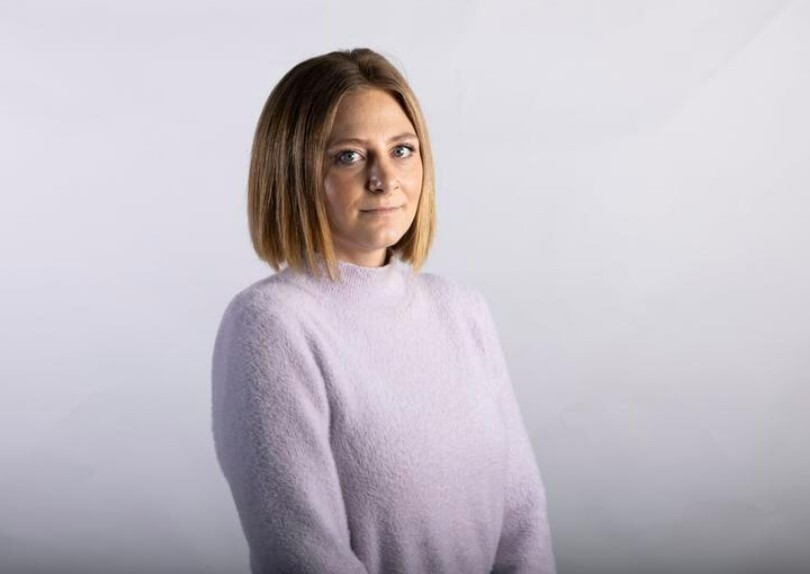
Taylor Six: Six is an award-winning criminal justice and courts journalist for the Lexington Herald-Leader in Kentucky. She was formerly the senior reporter for the Richmond Register. Six began drinking when she 19 years old, and would get sober through Alcoholics Anonymous nearly six years later on December 13, 2021. Six began to notice she had a problem after years of being emotionally and mentally miserable despite having a successful career and maintaining relationships with her family. She was living a double life of being a drunk at night, and journalist by day, and did not get help for so long because she was worried about how the public would percieve her if she admitted she had a problem and needed help.
Advice for other journalists seeking help: Six would advise anyone to know they are not alone. Show yourself the same compassion you would show another person. There is no one-size-fits-all to figuring out what works best for you when looking for help. Be honest with yourself, and let another trusted person know how you are feeling. What works for someone else, may not work for you. Email Taylor, here.
Listen to some of Taylor’s story on the Grieving Out Loud Podcast.
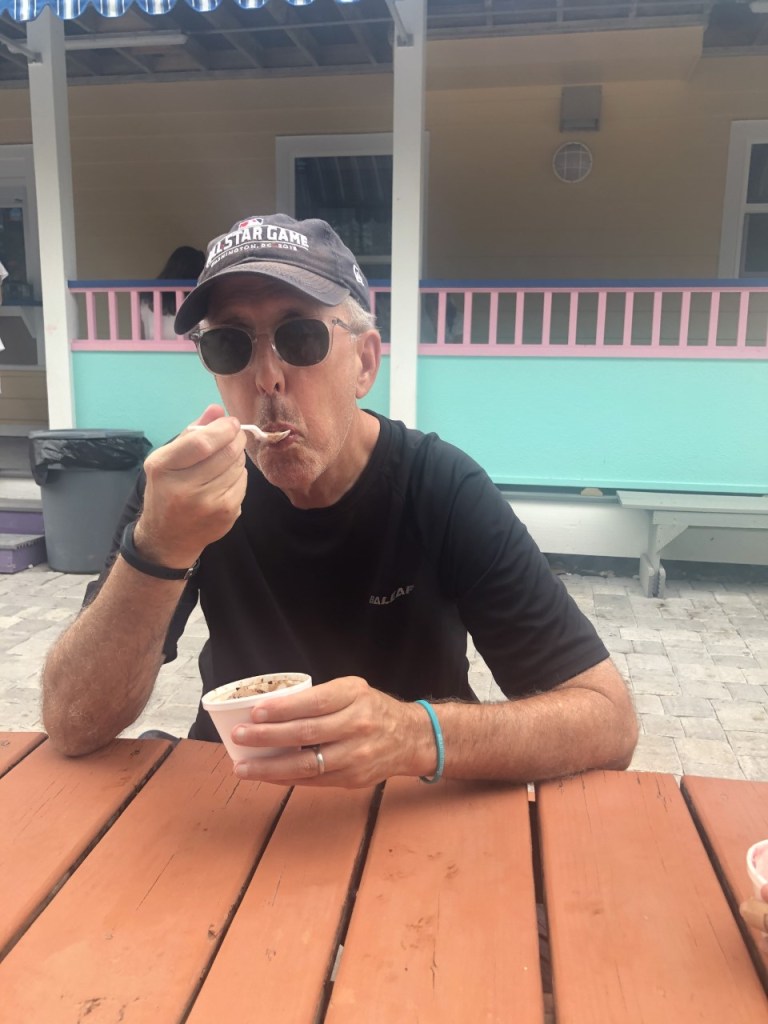
Bill Nichols: Founding Managing Editor at Politico, founding Editor-At-Large at Politico Europe and White House and State Department correspondent for USA Today. With a long history of alcoholism on both sides of his family, Nichols began drinking alcoholically as a teenager in Louisville, Ky. During his first reporting job at the Jackson (MS) Clarion-Ledger in the early 1980s, the alluring stereotype of the hard-drinking, hard-partying southern journalist/writer was strong; drinking and writing and reporting became inseparable acts. Moving to Washington, D.C. to work for USA Today without the benefit of a strong family or friend network, Nichols crashed and burned, briefly getting sober only to relapse in 1986 before accepting the gift of sobriety in February 1987 with the help of family, friends, incredibly supportive co-workers and editors, and the fellowship of Alcoholics Anonymous. Email Bill, here.
Advice for other journalists seeking help: The idea that alcohol fuels creativity for writers is a destructive lie—just another of the crutches we use to find a reason to justify drinking. Sober journalists will tell you their best work was done after they got sober and most of us come to cringe at the stuff we wrote while using. There is a wide and affirming and supportive network of recovering folks in newsrooms across the country and 12-step meetings in any city where you might find yourself on assignment; I’ve been in AA rooms from Alaska to Israel. Journalism is a high-stress, high-risk profession but not only can you not survive as a sober person, you will thrive.
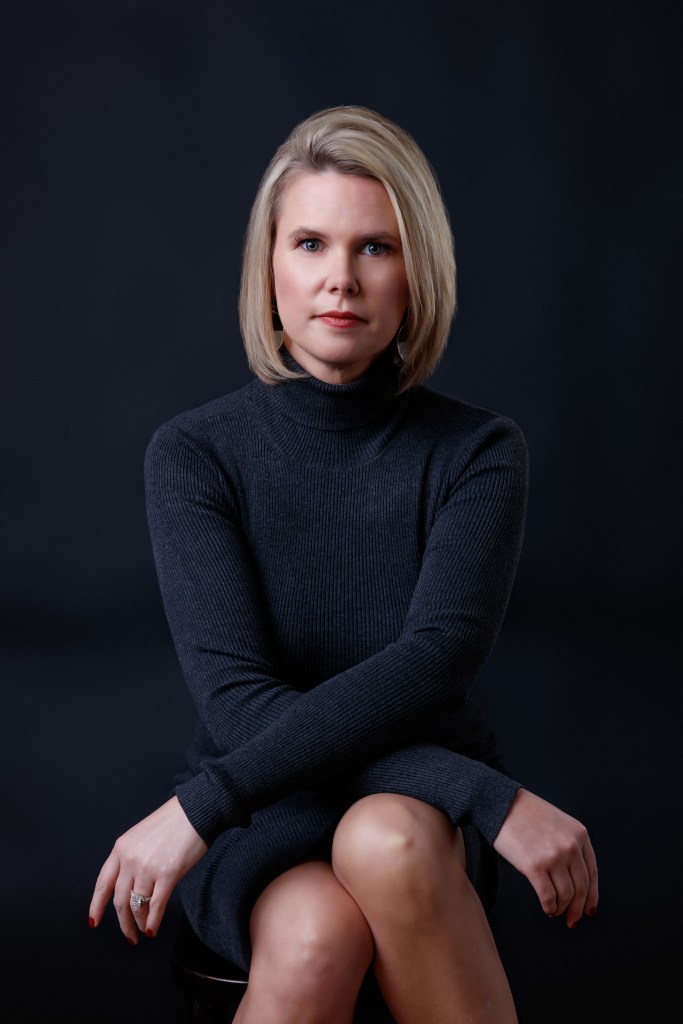
Megan Luther: Freelance journalist whose last drink was at a journalism conference. Alcohol was her coping mechanism. It’s how she avoided dealing with grief and trauma. But she was tired. It’s exhausting trying to control what she drank, counting her drinks and even measuring wine pours, always vowing to drink less that day. She’s been in recovery for four years. During that time Luther says her health, family and stories all vastly improved.
Advice for other journalists seeking help: If you are struggling with addiction, please know there are several of us in journalism. It’s helpful to talk to someone who understands the demands of our jobs, the instability of our industry and the relief of an evening cocktail that numbs it all. Reach out anytime. It’s completely confidential. Email Megan, here.
Listen to some of Megan’s story on the Grieving Out Loud Podcast.
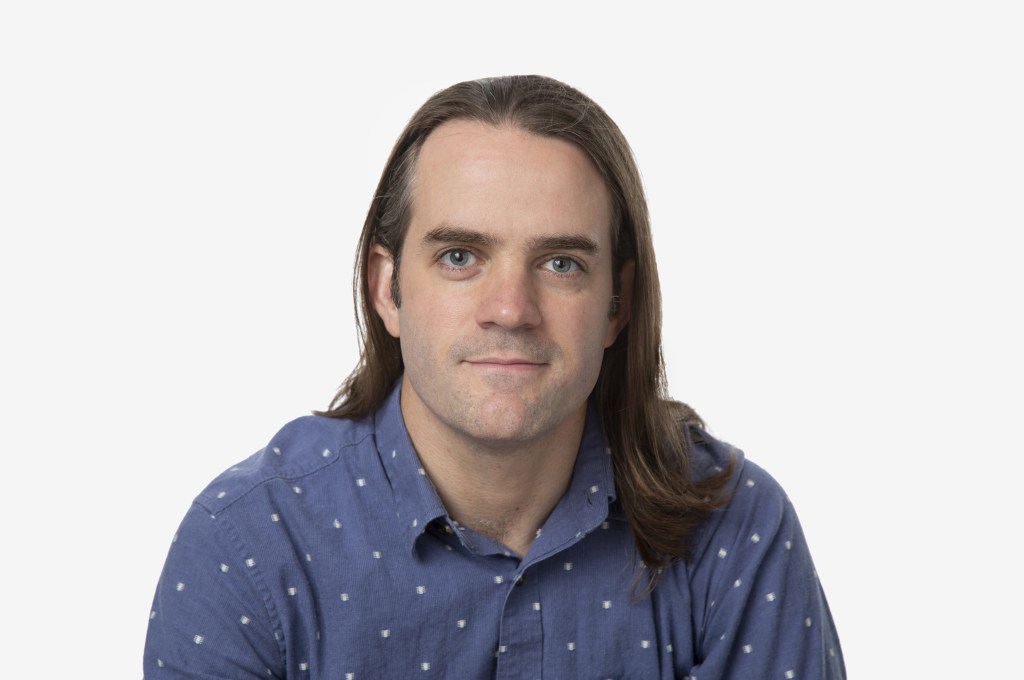
Connor Sheets: Sheets is an investigative and enterprise reporter for the Los Angeles Times. Before joining the Times, he was a reporter for publications in Alabama, New York and Maryland. He quit drinking in May 2021 after drinking too much for too many years.
Advice for other journalists seeking help: Do what works for you. If that’s AA, great. If not, that’s great too. There are millions of people, including me, who cut alcohol out of our lives without a 12-step program. Also, one of the most beneficial pieces of advice I’ve ever received was also one of the simplest: “You don’t need to not have X number of drinks. You just need to not have one drink.” Email Connor, here.
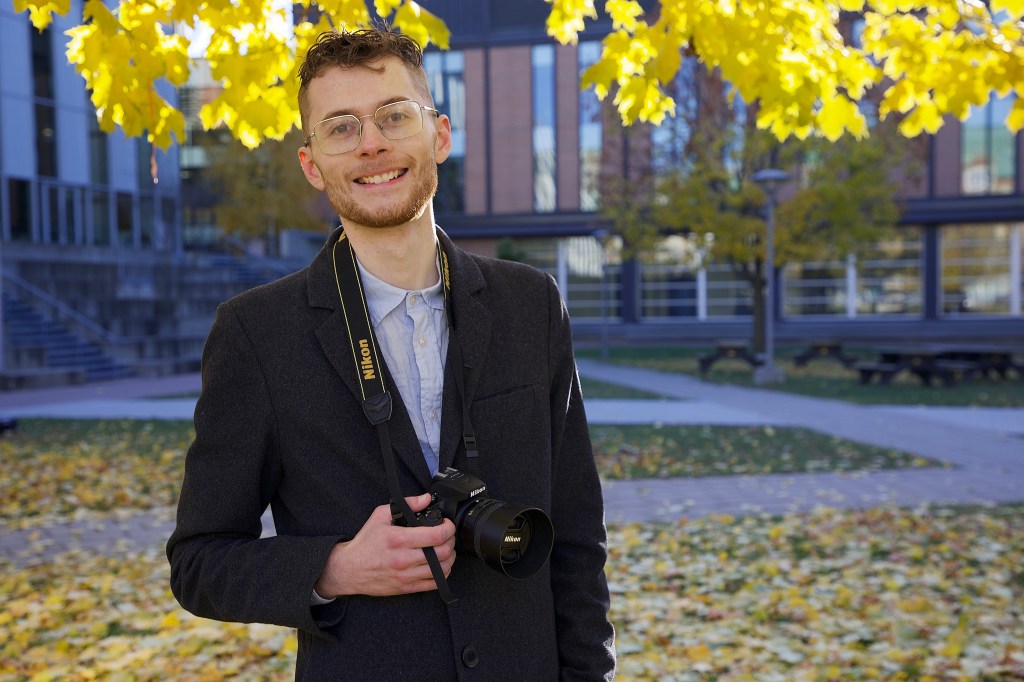
Lucas-Matthew Marsh: Marsh is an early-career political and healthcare reporter based out of Southern Ontario. Marsh started drinking during his first week of university. For the next five years, Marsh increasingly turned to alcohol as a way to cope with the mounting pressures of academic, professional, and personal life. Looking back, Marsh recognizes there were warning signs from the beginning, but it wasn’t until June 2023 that he finally admitted he needed help. Marsh credits reconnecting with his communities –not only through Alcoholics Anonymous but also by leaning on the supportive community of journalists in his newsroom– for helping him to achieve long term sobriety. As the only person, let alone journalist, he knew who was struggling with self medication, Marsh knew that it was important for him to share his story so that others would know they were not alone.
Advice for other journalists seeking help: One lesson that I wished I had learned sooner was that there is nothing you can’t come back from. No matter the mistakes you’ve made along the way, everything will pass with time. It might be hard, especially in those early days, but you can get through this and make something positive come out of it. And remember, to have made a career out of journalism takes endurance, resilience and determination, so never doubt your ability when navigating your sobriety.
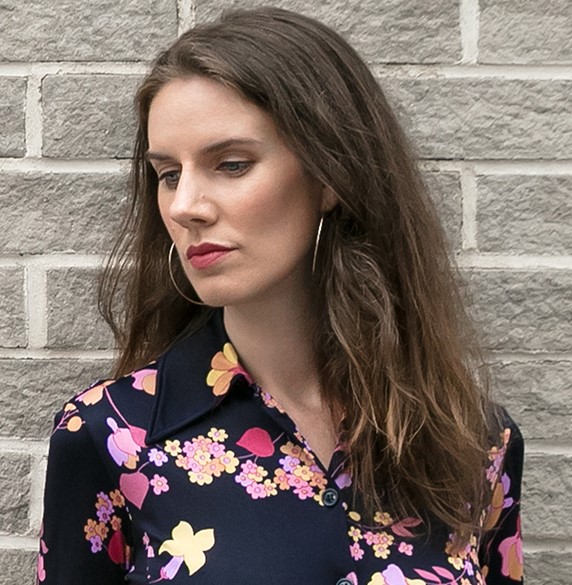
Leslie Jamison: New York Times best-selling author of The Recovering: Intoxication and its Aftermath, Splinters, The Empathy Exams, and The Gin Closet
Jamison is an associate professor at Columbia University and director of nonfiction concentration. She writes regularly for the New Yorker and has been a contributing writer at the New York Times magazine. She had her first drink at 13 years old in 1999. She continued to drink for a decade before she decided to get sober in 2010. During the early days of her drinking, she was drawn to the “legendary writer drunks.” She tried to quit drinking once before, and the second time she attended an Alcoholic Anonymous meeting. Jamison was fascinated by the stories of writers’ drunken stupors of inspiration, but she wanted to know that people could also care about the story of recovery, and the stories people share when they are well.
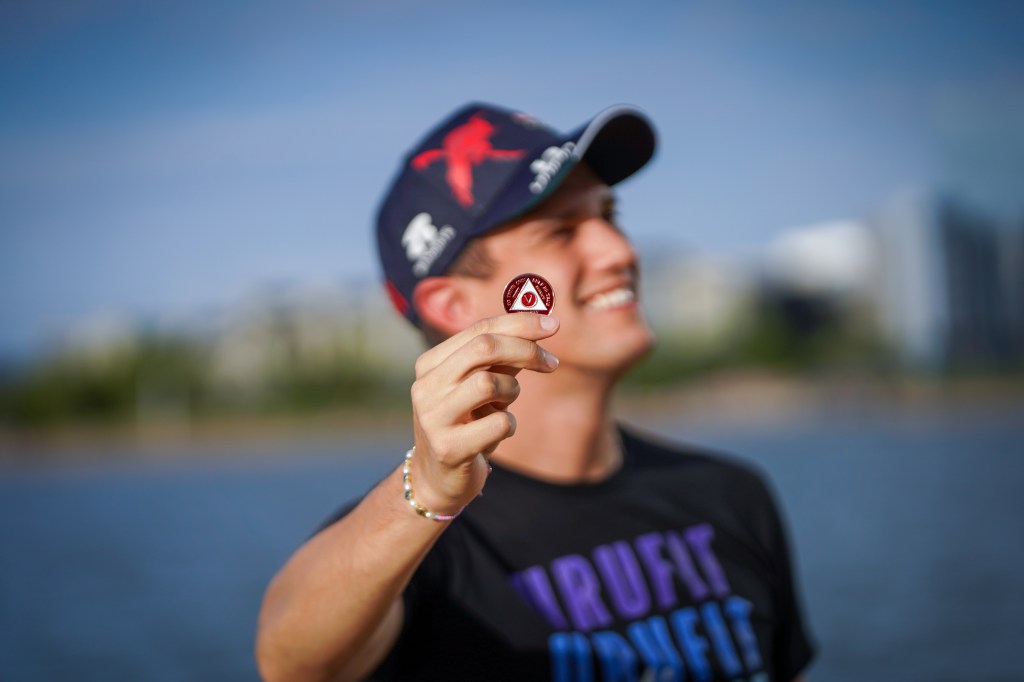
Bryan West: Emmy Award-winning journalist and Taylor Swift beat reporter for Gannett at USA Today and The Tennessean
After West was arrested for a felony DUI in August 2018, he had his last drink. Before that point, he self-medicated anxiety and depression by drinking to the point of blacking out. Some people knew he had a problem, but most didn’t realize the extent. He knew, though. He recently celebrated five years of sobriety. After being released from jail, West attended a treatment facility where he spent 37 days. Later, when he pleaded guilty to a reduced charge of a misdemeanor extreme DUI, he surrendered to spend nine days in jail. He credits this experience as the reason he is sober today.
“I learned how to let go of the past, how to release resentment and how to remove the darkness from my life. As part of my recovery, the therapist told me to have a creative outlet, and that became writing,” West wrote in an essay describing his journey. He also is an avid member of a group called The Barbell Saves Project, which is a gym dedicated to people in recovery from drugs and alcohol.
Advice for other journalists seeking help: “Everyone’s journey to sobriety is different. I truly believe my path prepared me for this job. Sobriety has taught me valuable lessons including taking things one day at a time, moving onward and upward, other people’s opinions of you is none of your business and this too shall pass. I use these tools every day. To anyone struggling, it can get better.”
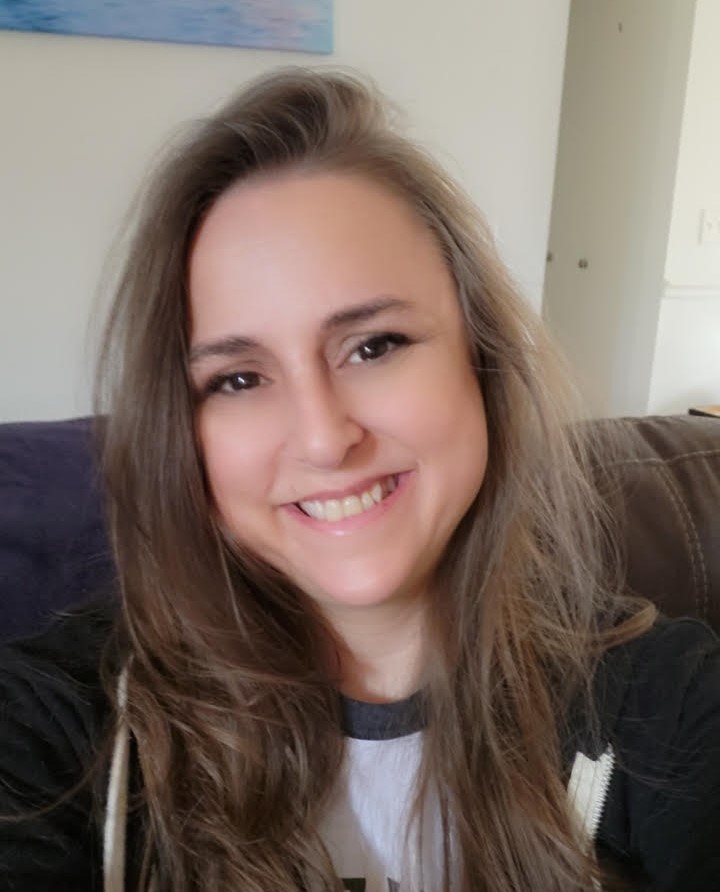
Ray Hunter: Contributing writer and SEO copyeditor for Kentucky Homes and Garden Magazine, The Commonwealth Journal, Southern Living, and other websites
Ray began her drinking when she was 15 years old. She became sober by attending Alcoholics Anonymous when she was 39. She said her relation with her journalism and drinking made tasks as seemingly straightforward as drafting an article became an arduous, day-long endeavor. What should have taken a couple of hours to complete stretched into a 14 or 16-hour ordeal, marred by an inability to concentrate and the constant battle against the fog of impairment. The precision of language, the sharpness of analysis, and the ability to weave compelling narratives – hallmarks of quality journalism – were dulled, making every sentence a struggle to construct. What was worse? Hunter said, the morning after. Not just because of the nausea and headaches, but the time she lost on her work.
Advice for other journalists seeking help: The first step is to recognize how your drinking affects your work and your life as a whole. It’s easy to dismiss or rationalize excessive drinking as part of the creative process or as a way to unwind. However, when it starts affecting your ability to produce work, meet deadlines, or maintain relationships, it’s time to take a closer look. Understand that addiction or dependency isn’t a failure of character or willpower; it’s a complex interplay of genetics, environment, and personal history. Approaching your situation with compassion and understanding can open the door to seeking help and making changes.

Teri Carter: Writer for national, state and local outlets including MSNBC, Washington Post, NY Times, Lexington Herald-Leader, Kentucky Lantern, The Daily Yonder, The Anderson News
Teri began her drinking in her early teens at 13. She quit drinking for good at age 55, a week into going “cold turkey” after talking with her city’s police chief at an event she was covering. She noticed her drinking was a problem when her “dimished writing capacity,” became recognizable trying to write through hangovers. Carter rarely wrote while drinking, and when she did it was “notable how bad it was.” She said it was mostly a struggle to pretend she felt fine in the mornings, when she clearly felt bothy physically and mentally exhausted while writing. For writers who are sober-curious, Carter suggests to find someone you can confide in honestly about your struggle and your hopes for your life.
Advice for other journalists seeking help: “I wish I had quit 20 or 30 years ago, but most of my mentors were heavy drinkers — even more so than me — and I assumed it was just part of the writing life. It is not,” Carter said.
 Journalists Recovery Network